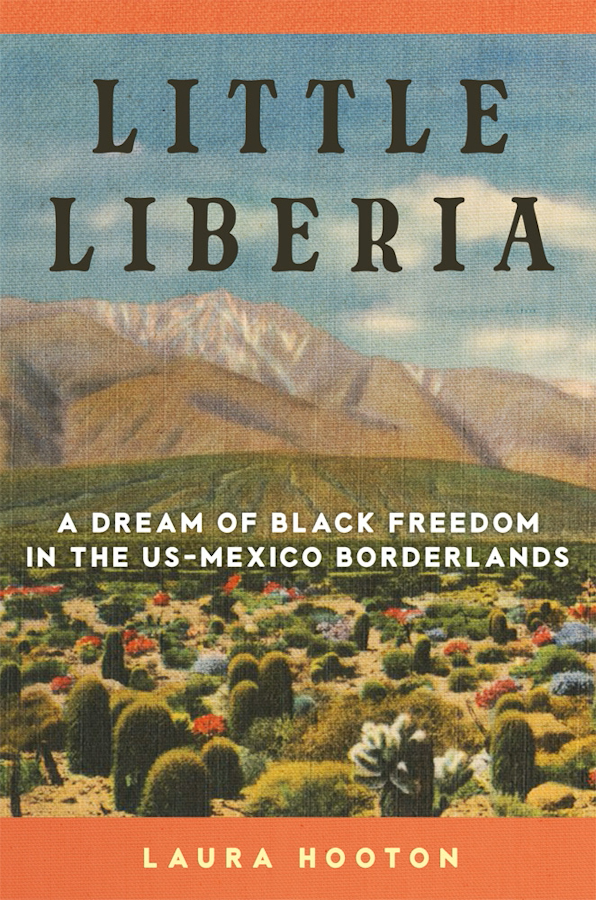
Little Liberia:
A Dream of Black Freedom in the US-Mexico Borderlands
“Through her sensitive and humanized portrait of Little Liberia, Hooton elegantly interweaves historical threads of Black America and the US-Mexico Borderlands on a larger, transnational stage. This is a pathbreaking work.”
—Samuel Truett, author of Fugitive Landscapes: The Forgotten History of the U.S.-Mexico Borderlands.
“The fascinating story of the formation of a transnational Black agricultural community in Mexico created to confront white supremacy throughout the hemisphere. Emboldened by their economic success and frustrated by the obstacles of racist violence in the U.S., Black elites from Los Angeles, and then later northeast Oklahoma, created the polycultural social movement that shaped Little Liberia in Baja California.”—George Sánchez, author of Boyle Heights: How a Los Angeles Neighborhood Became the Future of American Democracy
"A much-needed step towards understanding the Southwest, the borderlands, and the Pacific as a Black geography.”
—Anthony R. Jerry, author of Blackness in Mexico: Afro-Mexican Recognition and the Production of Citizenship in the Costa Chica.
Little Liberia
An African American Community in
Baja California, Mexico
My current major research project is about Little Liberia, run by the Lower California Mexican Land and Development Company. The video to the right, taken on the location of the site in 2022, explains briefly about the community. It began in 1917 as an agricultural venture in Baja California, Mexico (just outside Ensenada). The main goal was to fight against racism in the United States from outside its borders.
By 1922, the organization had members from around the United States and had significantly expanded to include plans for African American and Mexican co-owned businesses, including a sanitarium, a hotel, and a bank. The community welcomed new entrepreneurs from the Tulsa area of Oklahoma (shortly after the Tulsa Race Massacre) and started a continental fight against White supremacy that also included indigenous peoples and Mexicans. Organizers created a sister organization, the International Community Welfare League, focused on these new initiatives and made connections with Mexican politicians.
The organization fell apart in 1928, but the story itself is a reminder that African Americans were not only present in the U.S.-Mexico borderlands, but were an integral part of life, economics, and politics. Little Liberia's approach to fighting racism in the United States is both highly unique and also strikingly in line with other movements at the time. Their engagement with U.S.-Mexico politics, fighting White supremacy, and combining economic growth with social change makes the story intriguing and representative of United States and Mexican history at the time.

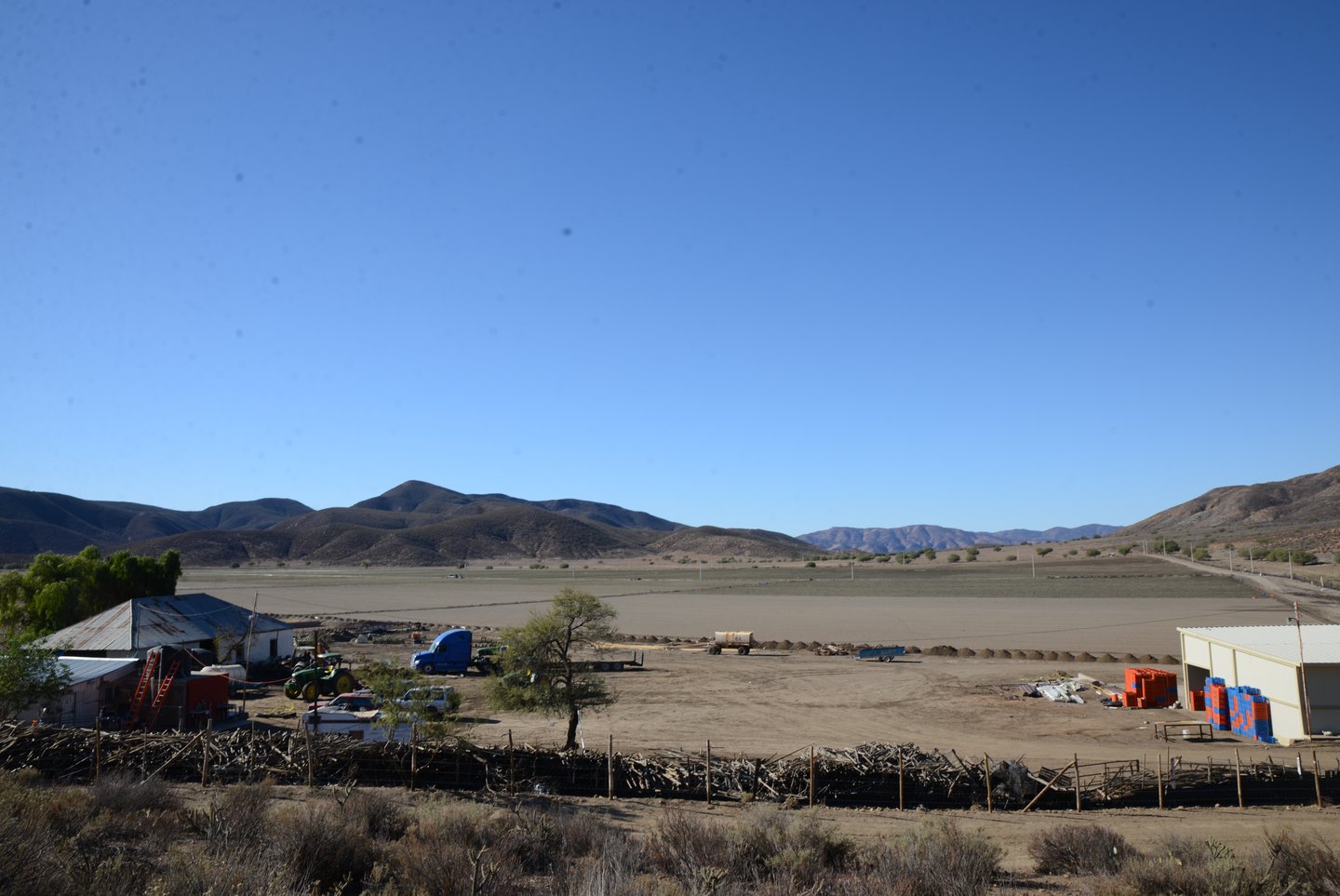
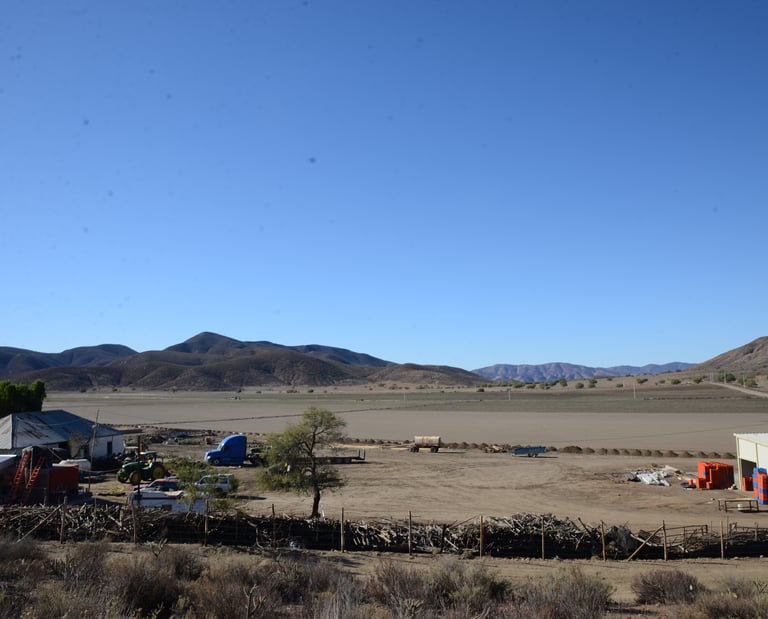
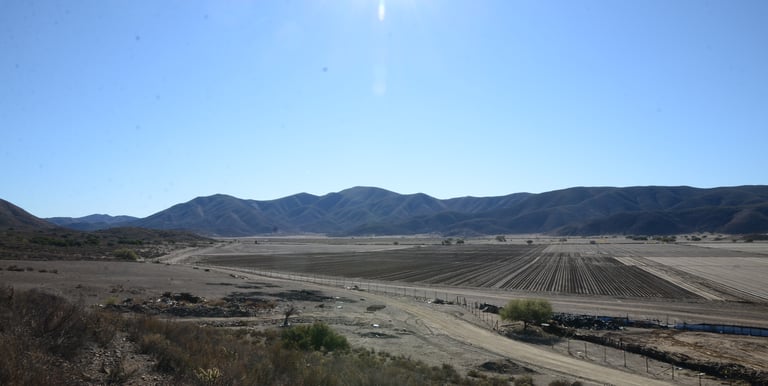
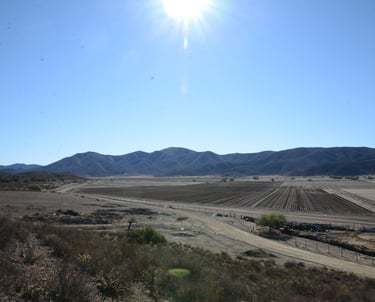
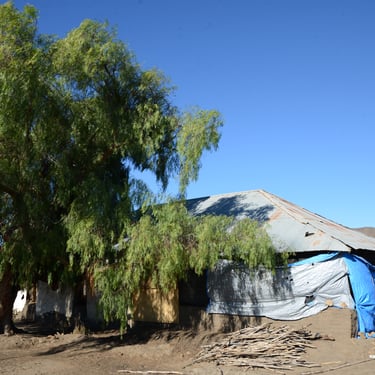
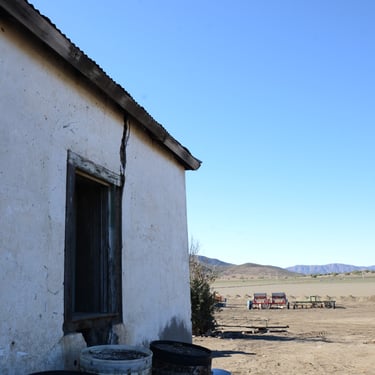
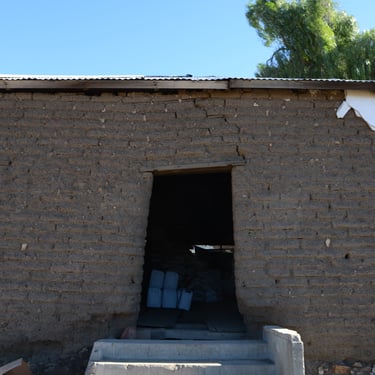
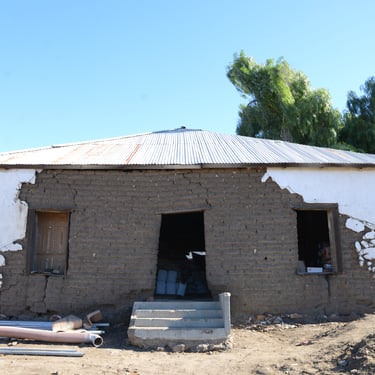
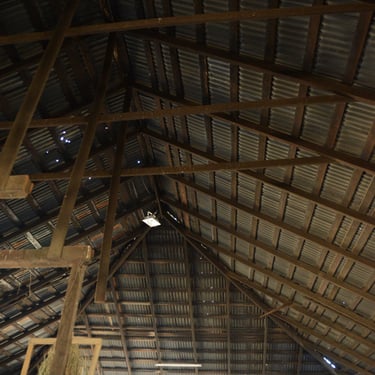
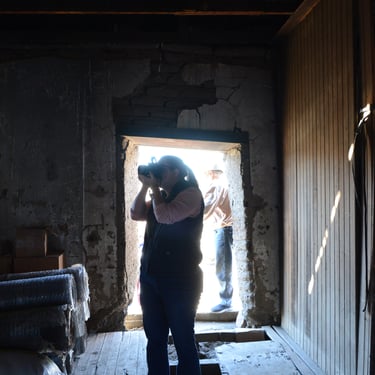
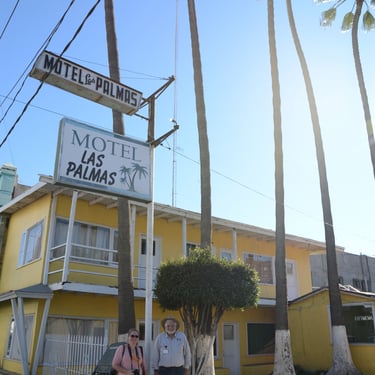
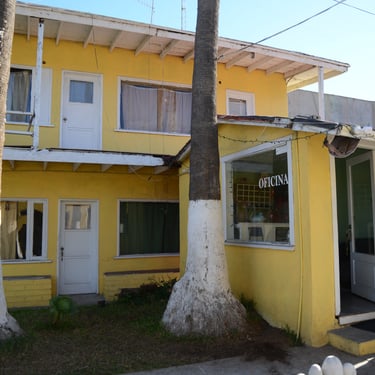
The pictures to the left and below, and the video above, were taken on the community's lands in January 2022. I was accompanied by members of the Seminario de Historia de Baja California. The building is the last existing structure from the community, likely built around 1922. The yellow buildings are a hotel set up by James Littlejohn, one of the organizers, who remained in Ensenada the rest of his life. Many thanks go to Estefany Maya, professional photographer, for accompanying me and allowing use of her photographs and videos (you can find her work at https://www.mayaestefany.com/).
Little Liberia: A Dream of Black Freedom in the US-Mexico Borderlands will be published in Fall 2026 with the University of Oklahoma Press (in the Race and Culture in the American West series). It will be the first comprehensive history of Little Liberia.
Want to know more about Little Liberia?
These are publications and videos about Little Liberia. You can also download them, and my CV, on my academia.edu page.

"Bordering Equality: Little Liberia and African American Social Movements in Mexico"
History Lecture Series, Angelo State University
February 17, 2022
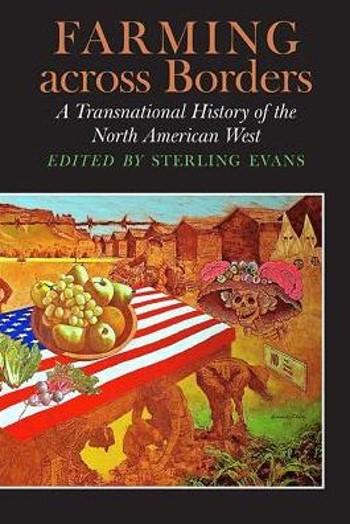
"Little Liberia: The African American Agricultural Colony in Baja California"
Chapter 3
Farming across Borders: A Transnational History of the North American West, ed Sterling Evans
"Black Angelenos with the 'Courage to Do and Dare': African American Community Organizers in Lower California"
California History, 2017
Clements Center for Southwest Studies, SMU
David J. Weber Fellow for the Study of Southwestern America, 2023-2024
Dr. Laura Hooton
Assistant Professor of History
Director of Graduate Studies
New Mexico State University
hooton@nmsu.edu